Cold chain packaging is one of those problems where every traditional material has a fatal flaw. Glass gets brittle and cracks at freezing temperatures. Paperboard absorbs moisture and collapses. Aluminum hides what’s inside and can’t go in the microwave. In 2026, modified PET is becoming the cold chain standard — and it’s not marketing talking. The test data is solid, and it’s already running on production lines worldwide.
What does cold chain packaging actually have to survive?
Cold chain environments punish packaging harder than ambient storage ever will:
- Frozen storage: -18°C to -40°C, sometimes for months at a stretch. Conventional plastics turn brittle at these temperatures and crack on impact.
- Transit abuse: Refrigerated trucks, container ships, rail freight — thousands of kilometers of vibration and jostling. Packaging that isn’t tough enough arrives as debris.
- Thermal shock: Moving from a -40°C cold storage unit to a room-temperature display case creates a 50–60°C temperature swing in minutes. Materials expand and contract instantly — marginal packaging fails right there.
- Stacking loads: Warehouse pallets get stacked several layers high. Bottom-tier packaging takes the brunt of the weight.
Modified PET handles all of this. Impact-modified PET shows over 12% improvement in impact strength at -30°C and retains ductility without cracking even at -40°C. This isn’t lab-only data — it’s validated on actual production lines.
Where is PET stealing market share in cold chain?
Frozen foods: the switch that should’ve happened years ago
Frozen food used to mean aluminum foil trays and paperboard cartons. Aluminum trays can’t go in the microwave — consumers have to transfer food to a bowl before heating, and that extra dish to wash is one more reason for a bad review. Paperboard cartons soak up moisture over months in the freezer and come out warped and soft.
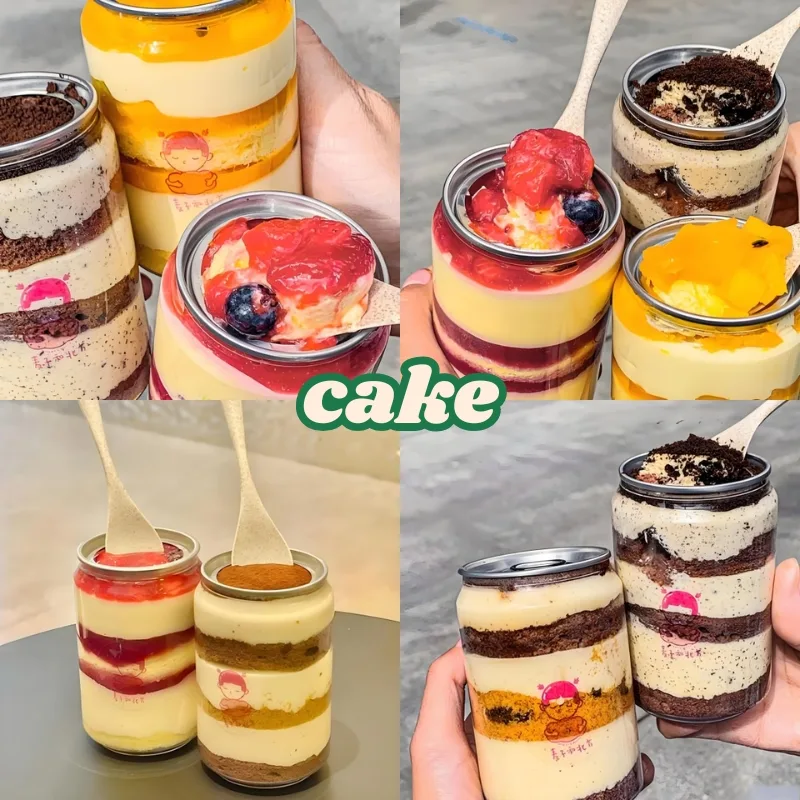
PET trays solve both problems: microwave-safe from freezer to table, crystal clear so consumers see exactly what they’re getting (frozen dumplings or soup dumplings — one glance tells the story), and dimensionally stable — no warping, no moisture absorption. For frozen food brands, switching to PET is a direct upgrade to the consumer experience with zero downside.
Fresh produce: extra days on shelf = extra margin
Pre-cut fruit, salad greens, ready-to-cook vegetables — the shelf life on these is measured in hours. Traditional open-display fresh produce sees 15% to 20% spoilage rates. Some supermarkets throw away more than they sell.
High-barrier PET packaging combined with modified atmosphere packaging (MAP) extends fresh-cut produce shelf life by 3 to 5 days. Don’t underestimate what that means — the difference between a 1-day and a 3-day shelf window is the difference between selling through your inventory and writing it off. Multi-layer PET technologies using EVOH co-extrusion can drop oxygen transmission rates by a factor of 56 versus standard PET, keeping cut vegetables looking fresh for a full week.
Dairy and ready-to-eat deli: see it to trust it
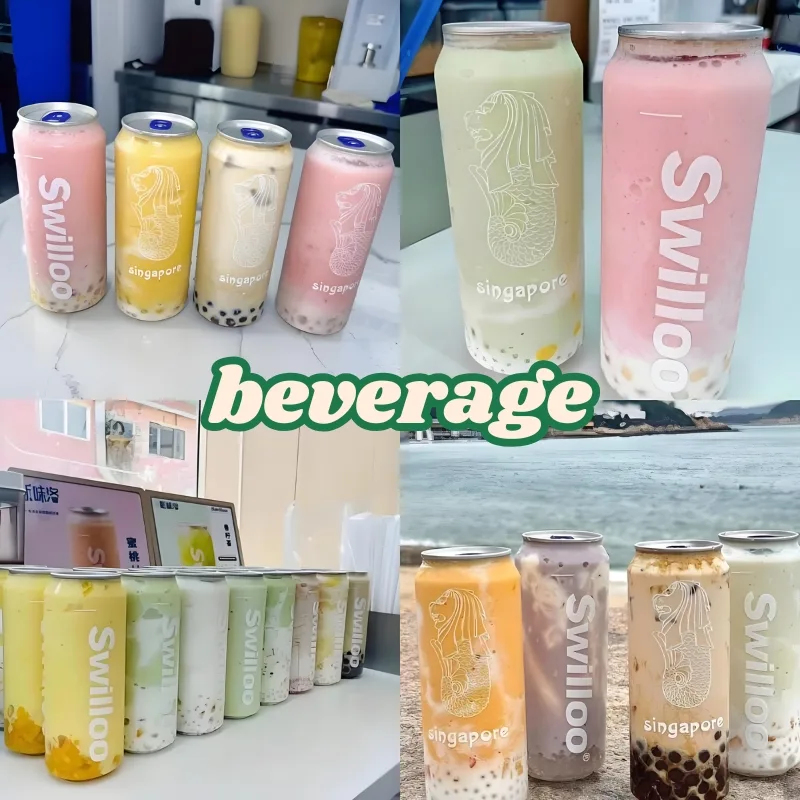
Yogurt, cheese, marinated meats, cold deli salads — these categories share one consumer behavior: people want to inspect the product before buying. Transparent PET packaging lets them check seal integrity and product condition without opening anything. For brands, that transparency isn’t a cost center — it’s a return-rate reduction tool.
The tech that’s actually shipping — not sitting in a lab
These aren’t concept-stage technologies. They’re running on production lines right now:
Five-layer co-extruded PET/EVOH — PET and EVOH (ethylene vinyl alcohol) layered into a five-layer structure with the barrier layer sandwiched in the middle. Oxygen transmission drops 56x versus monolayer PET. Fresh-cut vegetables look day-one fresh after a week. The cost premium is manageable, and the technology is mature.
Nano-modified PET — Nano-scale fillers dispersed in the PET matrix create a three-dimensional barrier network. Water vapor transmission drops by a factor of 5. This is particularly relevant for frozen seafood and dumplings — products vulnerable to freezer burn, where ice crystals sublimate out of the food and degrade texture and flavor.
Antimicrobial coatings — Nano zinc oxide or nano silver particle coatings applied to container interiors achieve over 99% antibacterial efficacy against E. coli and Staphylococcus aureus. This is commercially deployed technology, not experimental.
Let’s do the math
Switching cold chain packaging to PET isn’t about comparing unit prices. Run the total cost:
-
Those extra 3–5 days of shelf life — For fresh foods, shelf life is profit. Every extra day something stays sellable is one less day of shrink. Annualize that across a product line and the numbers get big fast.
-
Freight savings you can measure — PET is 70–80% lighter than glass. Cold chain logistics are already expensive (refrigerated containers, temperature monitoring, time-sensitive routing). Every kilogram you shed drops straight to the bottom line.
-
The breakage you stop paying for — PET doesn’t shatter. One glass jar cracking at -20°C in a refrigerated container can contaminate an entire case. Live through that a few times and you’ll never look at glass the same way.
A note on the bigger picture: the global PET packaging market sits at $93.3 billion in 2026, heading toward $144.9 billion by 2036. Cold chain is one of the segments driving that growth, and the technical case for PET in frozen and refrigerated applications keeps getting stronger.
CHINPK’s full range of food-grade PET containers is cold chain ready — FDA 21 CFR 177.1630 compliant, full documentation package available. Need samples, custom specs, or just a conversation about what’ll work for your product line? We’re here.