Here’s something I’ve noticed working in beverage packaging: three years ago, plastic straw bans felt like a handful of progressive cities running pilot programs. By 2026, it’s become a sweeping structural shift — global, layered, and picking up speed.
Right now, more than 100 countries and territories have enacted some form of restriction on single-use plastics. And the number isn’t static — several major policy waves are hitting in the second half of 2026 that every beverage exporter needs to track.
The Big 2026 Enforcement Wave
Turkey: Year-End Shutdown
Turkey is banning single-use plastics by the end of 2026, and the scope is broad — straws, lids, cutlery, food containers, the whole category. Turkey sits at a strategic crossroads between the Middle East and Eastern Europe. A lot of brands use it as a regional distribution hub, so this ban will ripple through surrounding supply chains.
Angola: Straws Off the Shelf by September
Africa is moving too. Angola’s plastic straw ban takes effect September 2026. That’s close — if your products go into Angola or neighboring African markets, you need an alternative lined up right now, not next quarter.
Australia, New South Wales: Enforcement With Teeth
In May 2026, the NSW Environment Protection Authority pulled H2coco coconut water products off Woolworths shelves. The reason? The cartons came with PLA straws attached. Never mind that PLA is plant-based and technically “biodegradable” — under NSW law, any straw affixed to a beverage container is banned, regardless of material.
This case sent a clear signal: it’s not about what the straw is made of. It’s about the act of attaching it. Earlier, in January 2026, Australia had already banned plastic cutlery and straws on pre-packaged food at the national level. The H2coco enforcement showed they mean it.
UAE: PLA Gets a Pass
Contrast that with the UAE. In January 2026, Ministerial Decree No. 380 banned plastic cups, lids, cutlery, and straws — but explicitly exempted PLA (polylactic acid) as a compliant alternative. That’s the exact opposite stance from the EU.
The PLA Problem
And that brings us to PLA — probably the most divisive material in beverage packaging right now.
PLA is made from corn, sugarcane, or cassava. It looks and feels like plastic. But different regulators see it completely differently:
- UAE: PLA is a compliant alternative ✓
- EU (Single-Use Plastics Directive): PLA is plastic, banned ✗
- Australia NSW: Doesn’t matter what it’s made of — if it’s attached, it’s banned ✗
- Multiple Asian markets: Still watching, still ambiguous
The root issue isn’t the material itself. It’s disposal infrastructure. PLA needs industrial composting conditions to break down — temperatures of 58°C+, controlled humidity, specific microbial environments. How many places on earth actually have industrial composting facilities at scale? Very few. So most “compostable” PLA straws end up in regular trash bins, sitting in a landfill, behaving pretty much like conventional plastic.
Regulators have caught on to this disconnect. The trend is shifting from “what’s it made of?” to “what actually happens to it?” If you’re making environmental claims, you’d better be able to prove the material degrades in the disposal systems that actually exist where your product is sold.
What Actually Works?
After watching this space for a couple of years, here’s the honest assessment of the main alternatives:
Paper straws: In the EU and UK, they’re still the safest compliance play. And the quality has genuinely improved — a good paper straw now holds up in a cold drink for two to three hours without turning into mush. The early horror stories of “the straw dissolved before I finished my coffee” are mostly behind us.
PLA straws (in markets that accept them): Closest thing to plastic you can get. Feels right, lasts in cold drinks, and the user experience is solid. If your target market recognizes PLA as compliant, this is your best option from a consumer standpoint. Just make sure you’ve got the industrial compostability certifications to back it up (AS 4736, EN 13432, etc.).
Eliminate the straw entirely: Honestly, this is the smartest move. A lot of brands are redesigning lids with sip-through openings. No straw means no compliance problem and no alternative-material cost. It’s elegant and it works.
Detached sales: For products that traditionally come with an attached straw — juice boxes, coconut water cartons — brands are decoupling. The straw lives separately, sold or not sold at all. The H2coco case in Australia is your warning: attached equals banned.
What Procurement Teams Should Do Now
Plastic straws are just the most visible edge of a bigger trend. Regulators are moving from “ban the obvious stuff” to “inspect every plastic component that touches the package.” Straws, lids, stirrers, spoons — if it ships with your product, it’s under review.
The brands handling this well share three habits:
-
Design from compliance backward. Don’t design a package, add a straw, and then ask if it passes. Start with your target market’s restricted-materials list and work forward from there.
-
Don’t play word games with materials. Terms like “biodegradable,” “eco-friendly,” and “green” mean absolutely nothing without third-party certification. Worse, they can land you in greenwashing trouble with regulators who are paying more attention than ever.
-
Treat user experience as equally important as compliance. Consumers won’t forgive a straw that disintegrates just because your package says “sustainable.” The alternative has to work well, or you’re creating a different problem.
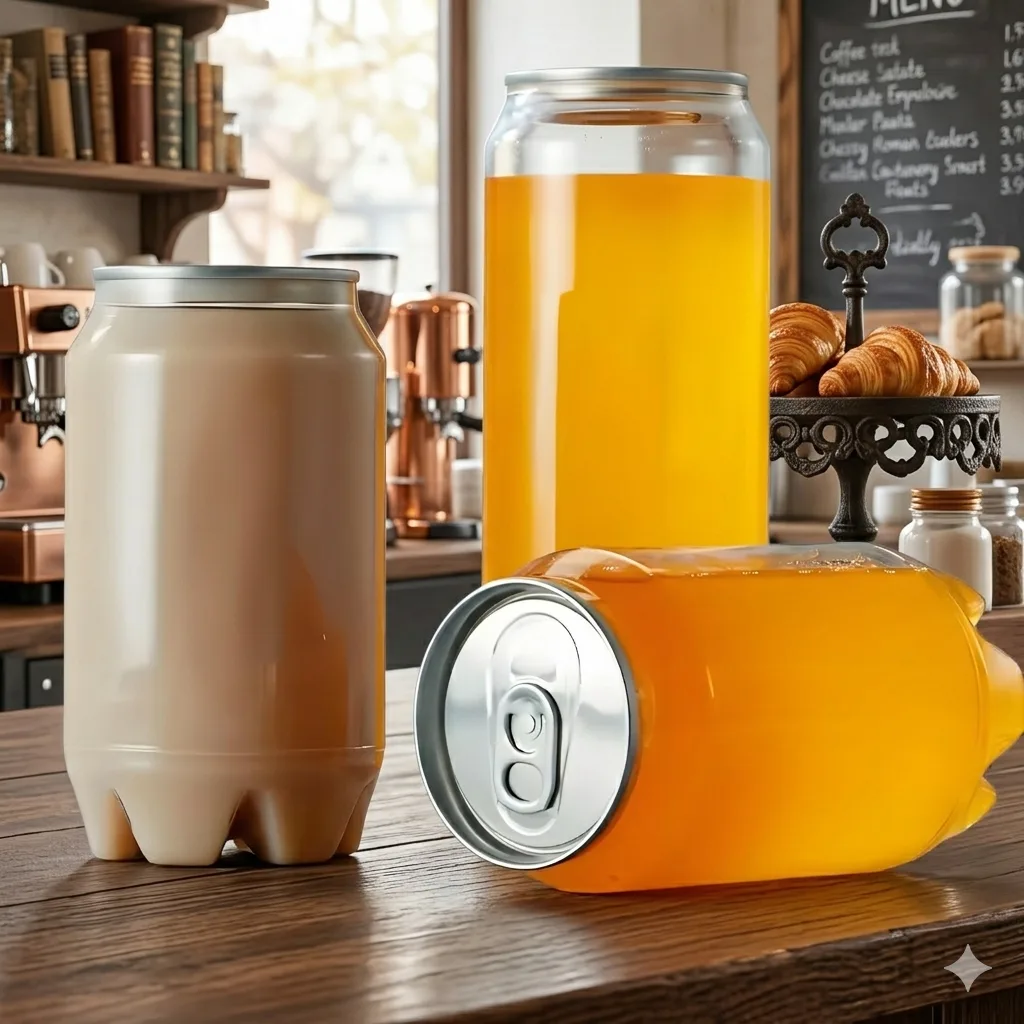
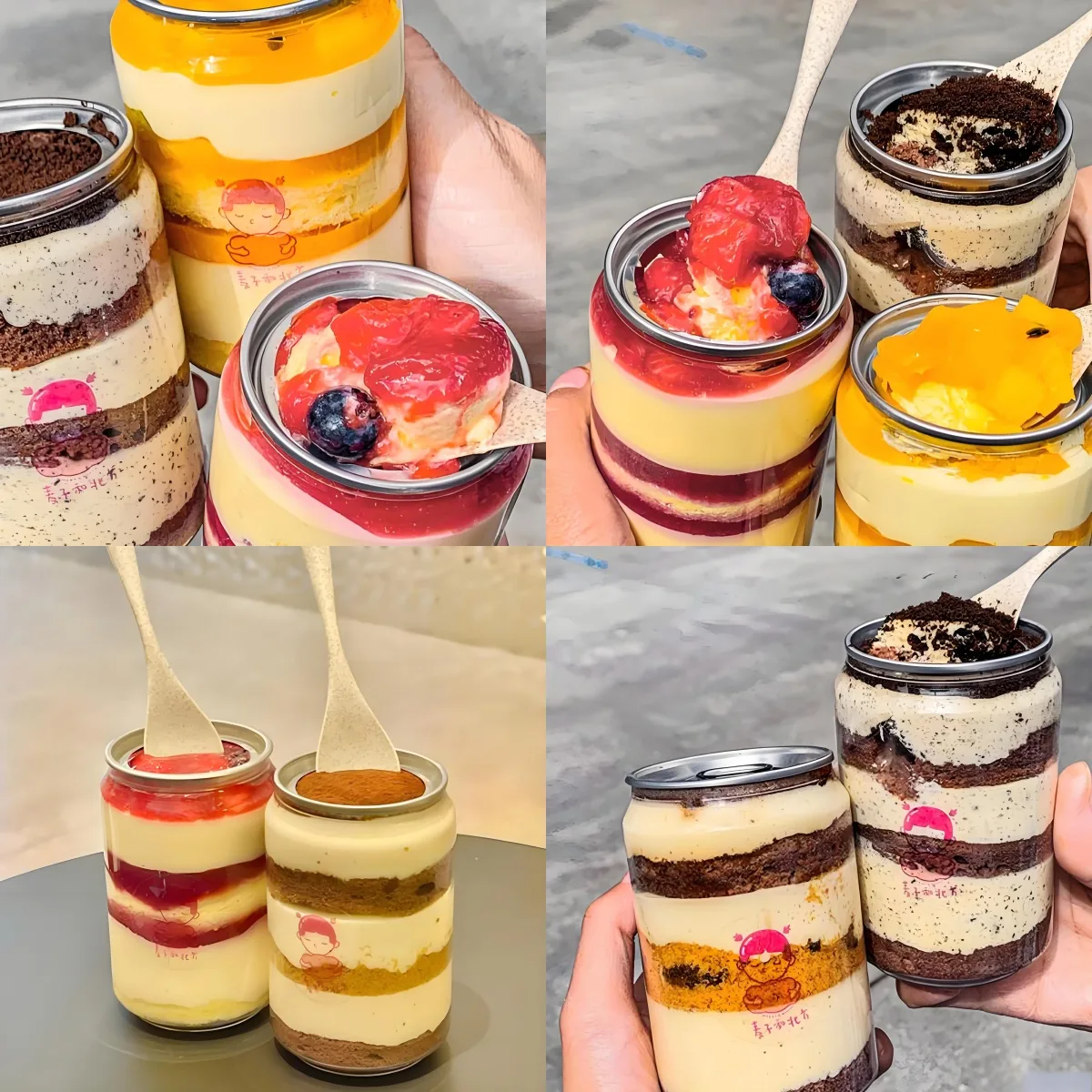
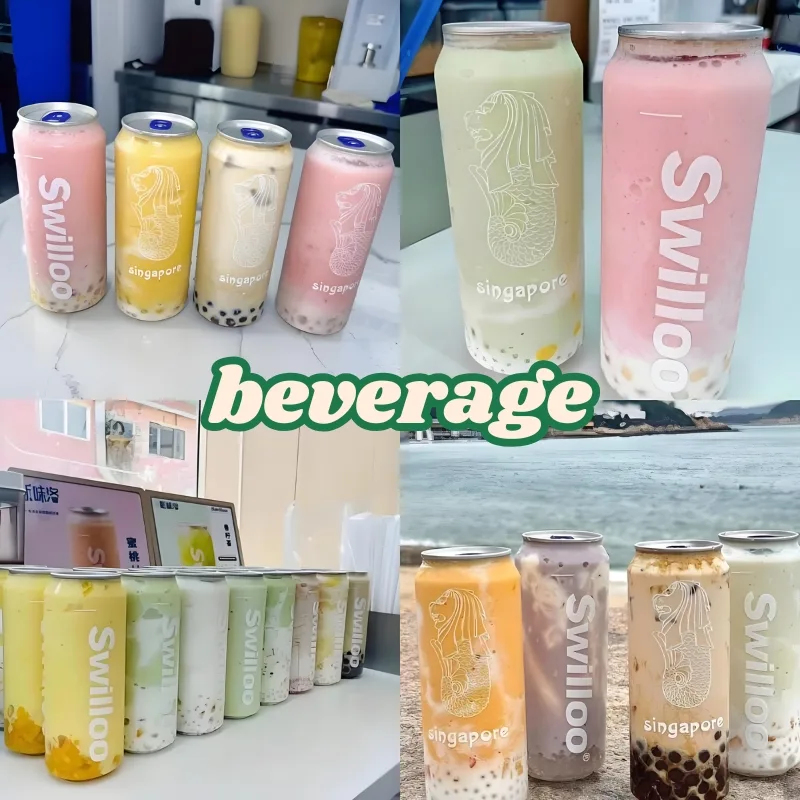
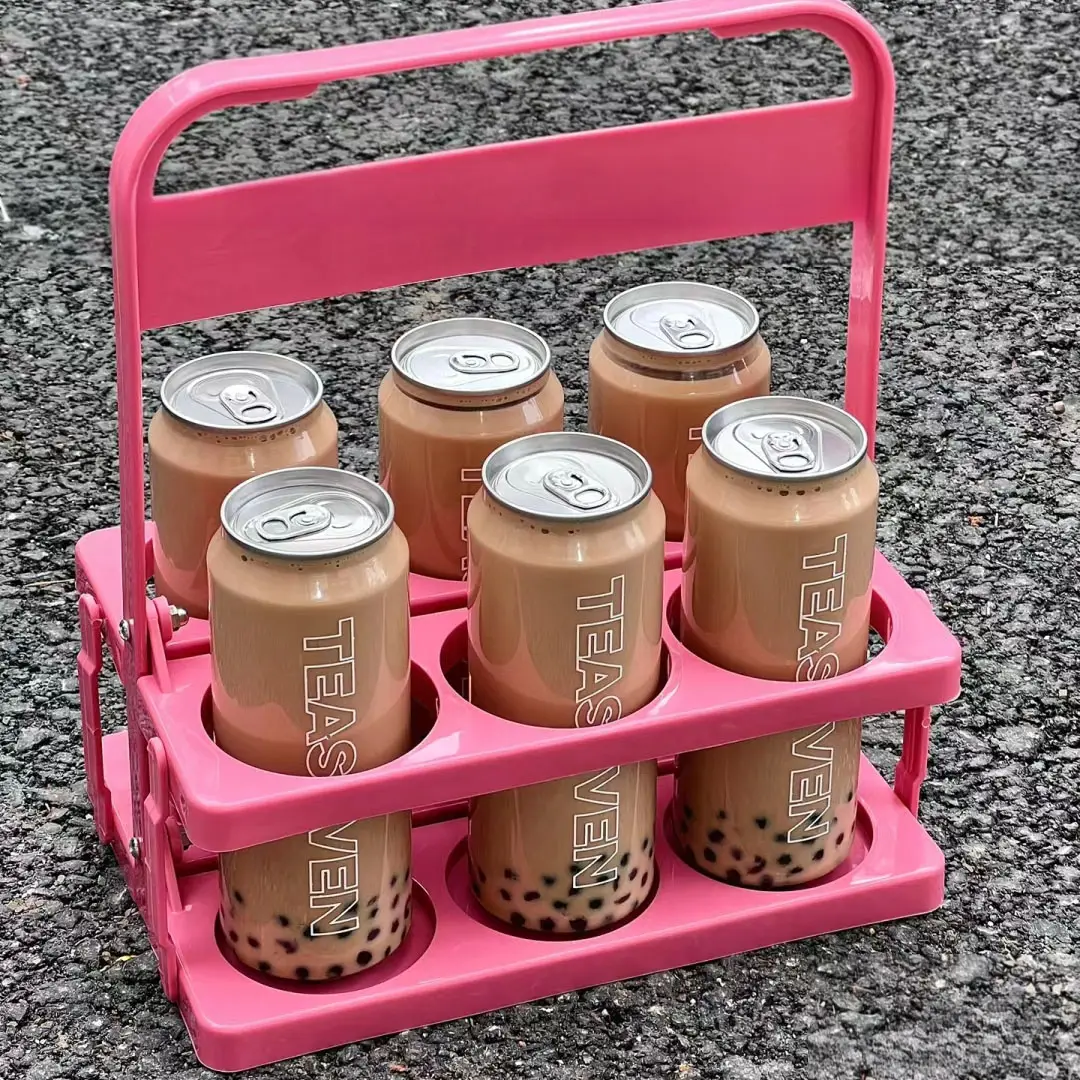
CHINPK produces food-grade PLA straws for markets where PLA is accepted. We also offer sip-through lid designs on our PET cans that eliminate the straw question entirely — no straw, no ban, no alternative-material headache. Browse our straw and can options, or reach out to discuss your target market requirements.